

I’ve been a long-time MacBook user, and switching to Windows laptops has rarely impressed me. In the past, many Windows machines felt sluggish, especially when running on battery power, pushing me back toward my MacBook every time. But after seeing Qualcomm’s latest Snapdragon X2 laptops at CES 2026, my opinion is starting to shift.
Qualcomm invited the media to experience the next generation of Windows on ARM devices, powered by its new Snapdragon X2 chip lineup. While I’m not ready to abandon macOS just yet, it’s clear that Windows laptops have taken a major step forward.
The Snapdragon X2 family includes three chips: the flagship Snapdragon X2 Elite, the even more powerful X2 Elite Extreme, and the newly announced Snapdragon X2 Plus, which targets mid-range and more affordable laptops. All three are built on Qualcomm’s third-generation Oryon CPU architecture, focusing heavily on efficiency rather than raw benchmark dominance.
This approach feels very similar to Apple silicon. Instead of chasing extreme power numbers, Qualcomm is prioritizing smooth performance, responsiveness, and long battery life—even when the laptop isn’t plugged in.
The Snapdragon X2 Plus is manufactured using a 3nm process, allowing better performance with lower energy consumption. According to Qualcomm, it delivers up to 35% faster single-core performance than the previous generation while using 43% less power. The Elite and Elite Extreme models go even further, offering more CPU cores and boost speeds reaching around 5.0GHz in select configurations.
One standout feature across the entire X2 lineup is the built-in neural processing unit (NPU). Each chip supports up to 80 trillion operations per second, enabling advanced AI features like live meeting transcription, intelligent search, and file summarization to run locally on the device—no cloud dependency required. This is something MacBook users are already familiar with, but it’s relatively new for Windows laptops.
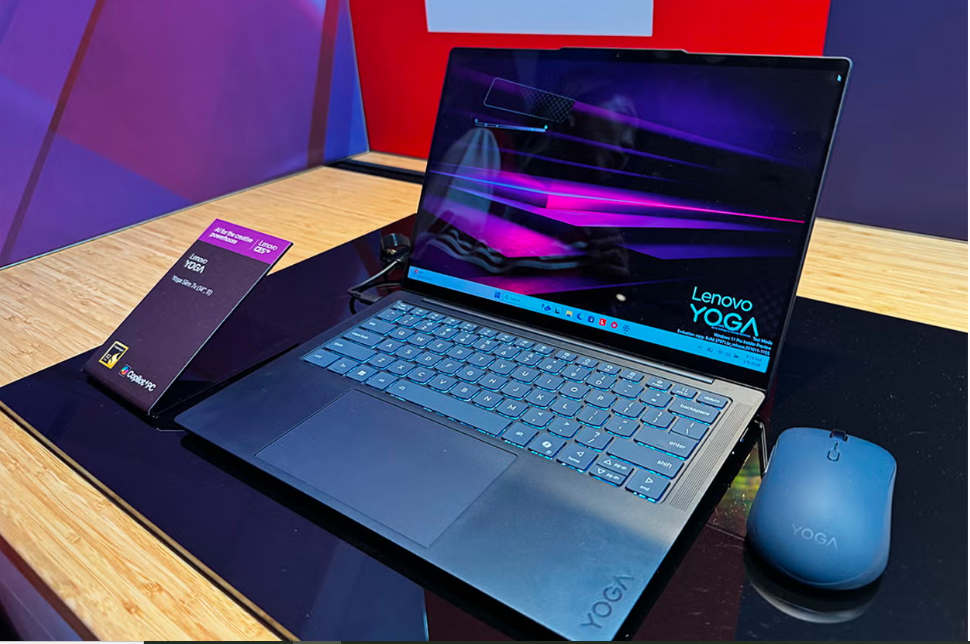
At CES 2026, several manufacturers showcased upcoming Snapdragon X2 laptops. Lenovo confirmed its Yoga Slim 7x will ship with both the X2 Plus and X2 Elite options, while HP and Asus are also preparing Snapdragon-powered models. Asus has even announced that its premium Zenbook series will feature the top-tier Snapdragon X2 Elite Extreme.
Qualcomm says the first Snapdragon X2 Plus laptops will launch in the first half of 2026, with pricing expected to be similar to—or lower than—the MacBook Air.
During live demos, Snapdragon X2 laptops handled creative workloads like music production and image editing with ease. In hands-on testing, devices such as the Lenovo Yoga Slim 7x felt lightweight, silent, and impressively cool, even under load. Early battery life estimates suggest these machines could outperform many traditional Windows laptops.
While app compatibility on ARM-based Windows systems is still catching up, the gap is narrowing. Qualcomm also announced deeper collaboration with Adobe to improve native performance for popular creative tools.
So, could a Snapdragon X2 laptop fully replace my MacBook? That remains to be seen. But for the first time in years, Windows on ARM feels like a serious alternative. With strong performance, excellent efficiency, and powerful on-device AI features, Snapdragon X2 laptops may finally convince even the most loyal MacBook users to consider switching.
